October 2, 2026
Can Periodontal Treatment Ventura Improve Overall Oral Health?
By @troylprd673

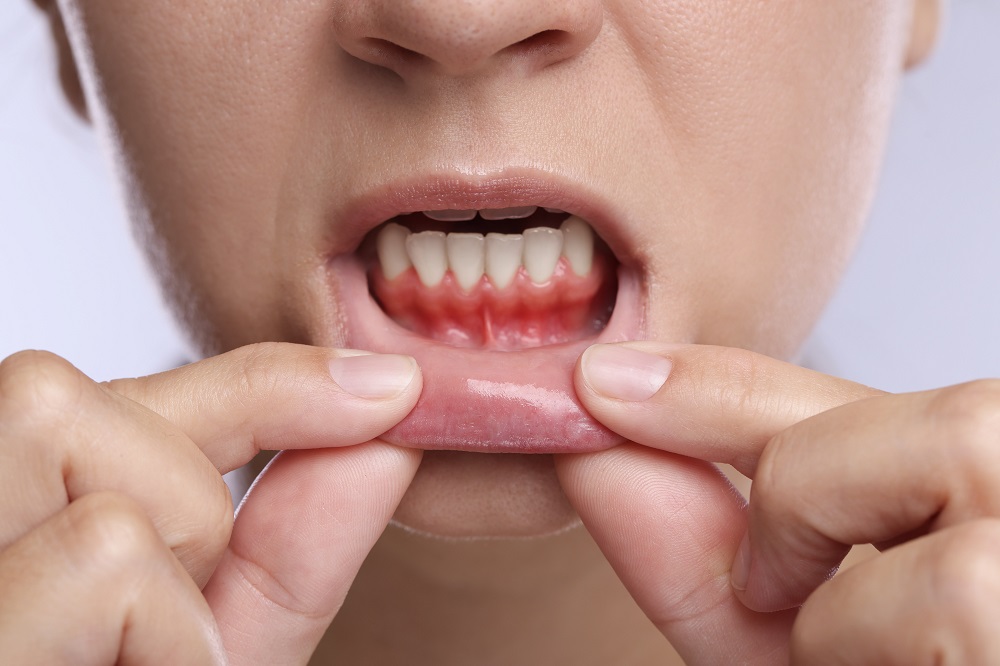
Most people think about gum treatment when something already feels wrong. Their gums bleed when they floss, their breath stays unpleasant even after brushing, or a tooth starts to feel slightly loose. By that point, the problem is usually not cosmetic and not minor. It is often periodontal disease, a chronic infection and inflammatory condition that affects the tissues supporting the teeth.
The short answer is yes, periodontal treatment Ventura can improve overall oral health, often dramatically. It can reduce infection, protect bone, improve breath, make teeth easier to clean, and lower the risk of future tooth loss. What matters, though, is understanding how and why those improvements happen. Periodontal care is not just a deep cleaning with a different name. Done well, it changes the environment of the mouth.
That distinction matters because gums are not passive tissue. They are the seal around each tooth. When that seal is inflamed or damaged, bacteria gain access to deeper structures, including the periodontal ligament and the bone that anchors teeth in place. Once that support starts to break down, oral health becomes harder to maintain no matter how diligently someone brushes at home.
Why gum health influences everything else in the mouth
Healthy gums create the conditions for healthy teeth. They fit snugly around each tooth, resist infection, and make routine home care effective. If the gums are swollen, tender, or detached from the tooth surface, the entire balance shifts.
In practice, that means plaque is more likely to remain below the gumline, where a toothbrush cannot reach. Bacteria thrive in those protected pockets. Over time, they release toxins that trigger more inflammation. The body responds, https://soundcloud.com/avra-dental but that response can damage surrounding tissue and bone. It becomes a cycle: bacteria cause inflammation, inflammation deepens pockets, deeper pockets shelter more bacteria.
This is why patients with untreated periodontal disease often feel frustrated. They may brush twice a day, use mouthwash, and still see blood in the sink. The issue is not always lack of effort. Often, the problem is that the disease has moved into an area home care alone cannot control.
When periodontal treatment works, it interrupts that cycle. It reduces the bacterial load, calms inflammation, and gives the tissue a chance to heal against cleaner tooth surfaces. That is where the broader improvement in oral health begins.
What periodontal treatment actually includes
The phrase covers a range of therapies, depending on severity. Mild gingivitis may respond to a professional cleaning and better home care. Established periodontitis usually needs more than that.
In many dental offices, the first phase of treatment is scaling and root planing. This involves carefully removing plaque, calculus, and bacterial deposits from above and below the gumline, then smoothing root surfaces so the gums can reattach more effectively. In some cases, local antimicrobials are placed into deeper pockets. More advanced disease may require periodontal surgery to reduce pocket depth, regenerate lost support where possible, or reshape tissue for better long term maintenance.
None of this is done for appearance alone. The goal is to create a mouth that can stay healthy between professional visits. That often means fewer inflamed areas, shallower pockets, less bleeding, and surfaces that are easier for the patient to keep clean every day.
A point worth emphasizing is that treatment is rarely a one time fix. Periodontal disease behaves more like a chronic condition than a simple cavity. Once someone has had significant gum disease, maintenance becomes part of the strategy. Periodontal maintenance visits are usually scheduled more often than routine six month cleanings because bacterial repopulation happens faster in susceptible patients.
The first signs patients often ignore
The earliest symptoms can seem small enough to dismiss. That is one reason gum disease progresses quietly.
A patient might mention that floss “always” makes the gums bleed, as if bleeding were normal. It is not. Others report a bad taste in the mouth that keeps coming back, tenderness in one area, or gums that look puffy near certain teeth. Some people notice recession first, especially around lower front teeth or upper molars. Others only realize something is wrong when a hygienist measures pocket depths and explains that the tissues are no longer healthy.
One of the more striking moments in clinical care is when a patient says, “Nothing hurts, so I thought everything was fine.” Pain is an unreliable guide with periodontal disease. Significant bone loss can occur before discomfort becomes obvious. By the time chewing feels different or teeth begin to shift, the condition is often well established.
That is why early evaluation matters so much. It is easier to control inflammation before deep pockets and major attachment loss develop.
How treatment improves oral health in practical, measurable ways
The improvements from periodontal therapy are not abstract. Patients usually notice specific changes, and clinicians can measure others over time.
The first change is often less bleeding. Once bacterial deposits are removed and inflammation begins to settle, the gums become firmer and more resilient. Bleeding during brushing or flossing should decrease rather than continue indefinitely. That alone encourages better home care, because people are less likely to avoid flossing when it no longer seems to cause injury.
Breath commonly improves as well. Chronic gum infection creates odor because of bacterial byproducts, particularly when deeper pockets trap debris and bacteria. Patients sometimes spend years switching toothpastes and mouth rinses without realizing the odor is coming from below the gumline. When those pockets are treated, the source of the problem is reduced.
Another major benefit is better preservation of the teeth themselves. Teeth are not held in place by enamel. They depend on surrounding ligament, bone, and gum attachment. Periodontal treatment aims to preserve as much of that support as possible. Even when lost bone cannot be fully restored, stopping further destruction can extend the life of natural teeth by many years.
Patients also tend to chew more comfortably once inflammation decreases. Swollen, infected tissue can make biting feel subtly off, especially around back teeth. When the gums heal and the infection load drops, chewing often feels more stable and less sensitive.
Then there is the long term maintenance benefit. A treated mouth is usually easier to keep clean than an untreated one. Shallower pockets collect less plaque, inflamed tissue traps fewer bacteria, and patients can clean more effectively at home. This is one of the most important outcomes because it lowers the likelihood of rapid relapse.
When treatment does not work as well as patients hope
This is where honest discussion matters. Periodontal treatment can be highly effective, but it has limits. It cannot always reverse damage that has already occurred, and it does not perform equally well under all conditions.
If someone continues to smoke heavily, healing is often slower and less predictable. Tobacco use reduces blood flow to the gums and can mask bleeding, which means disease appears quieter than it is. Diabetes that is poorly controlled can also make gum disease harder to manage. So can dry mouth, certain medications, clenching, and inconsistent home care.
There is also the timing issue. Early gingivitis can often be reversed. Advanced periodontitis can be controlled, but the goal may shift from reversal to stabilization. That is still valuable. Preventing further bone loss and tooth mobility is a meaningful success, even if the tissue never returns to its original condition.
Another common misunderstanding is expecting one round of deep cleaning to solve everything permanently. In reality, some patients respond beautifully after initial therapy, while others need surgical intervention or shorter maintenance intervals. The mouth does not always follow a simple script.
What a careful evaluation should look like
A proper periodontal assessment is more than a quick glance at the gums. If you are exploring periodontal treatment Ventura, the office should evaluate the health of the supporting tissues with some rigor. That usually includes pocket measurements, bleeding points, recession, mobility, and radiographs to assess bone levels.
The clinician should also look for patterns. Is the disease generalized or localized? Are certain teeth at higher risk because of old restorations, crowding, or bite forces? Is there furcation involvement in molars, where bone loss reaches the space between roots? Those details affect prognosis and treatment planning.
Equally important is the conversation with the patient. A thorough provider will ask about smoking, diabetes, medications, stress, home care habits, and past dental history. Two mouths can look similar at first glance and require different strategies because the risk factors are different.
Patients should leave that appointment with a clear sense of what the problem is, how severe it appears, what treatment is recommended, and what success will depend on afterward.
The role of home care after professional treatment
Professional treatment creates the opportunity for healing. Home care protects that progress. Without the second part, the first part has a shorter shelf life.
This is where small technique changes often matter more than expensive products. Many patients scrub too hard with a toothbrush and still miss the gumline. Others floss mechanically without really adapting the floss to the tooth surface. A powered toothbrush helps some people. Interdental brushes can be excellent for larger spaces. Water flossers are useful adjuncts, especially for bridges, implants, or patients who struggle with string floss, but they are not a complete substitute for physical plaque disruption in every case.
What works best is usually individualized. A patient with crowded lower front teeth needs a different approach than someone with recession around exposed roots or a fixed bridge in the upper arch. The right routine is the one the patient can perform consistently and correctly, day after day.
There is also a behavioral element here. People are far more likely to maintain habits when they understand the purpose. “Keep the pockets cleaner so the tissue can stay attached” is more motivating than a generic instruction to floss more.
Common signs that suggest periodontal care may be needed
Some signs are subtle, others are hard to miss. If several of these are present, a periodontal evaluation is worth scheduling rather than postponing.
- Gums bleed regularly during brushing or flossing.
- Persistent bad breath or a recurring unpleasant taste.
- Gum recession, teeth that appear longer, or increasing tooth sensitivity near the roots.
- Teeth that feel loose, shifted, or harder to bite together comfortably.
- Puffiness, tenderness, or spaces developing between teeth that were not there before.
A patient does not need all five signs for gum disease to be present. Sometimes only one area is affected, especially around an older crown, a hard to clean molar, or a site with food trapping.
What patients often notice after successful therapy
The improvements can be modest at first, then more obvious over several weeks as inflammation continues to settle.
- Less bleeding and less soreness during daily cleaning.
- Fresher breath that lasts longer through the day.
- Gums that look firmer, less shiny, and less swollen.
- Greater comfort while chewing and less awareness of irritated spots.
- More confidence that home care is actually making a difference.
That last point is underrated. When patients see a healthier response from their gums, they tend to stay more engaged in maintenance. Success builds compliance.
Why local follow-up matters in Ventura
Periodontal disease is not managed in a single sitting, so practical access matters. That is one reason many patients specifically search for periodontal treatment Ventura rather than a broader regional option. Follow-up appointments, maintenance visits, occasional re-evaluations, and possible retreatment all require consistency. If care is inconvenient, people are more likely to stretch visits too far apart.
Local care also tends to make communication easier. Patients can return quickly if a treated area remains tender, if a temporary dressing comes loose after a surgical procedure, or if they have questions about cleaning instructions. In chronic conditions, convenience is not a luxury. It often influences outcomes.
There is another local factor that is easy to overlook. Every practice develops its own philosophy about prevention, recall intervals, and patient education. The best fit is a provider who explains clearly, documents changes over time, and takes maintenance seriously rather than treating gum disease as an isolated event.
The connection between periodontal health and restorative dentistry
One of the clearest examples of how periodontal treatment improves overall oral health shows up when restorative work is needed. Crowns, bridges, implants, and even fillings perform better in a healthier periodontal environment.
If the gums are inflamed, impressions are less accurate, margins are harder to place and maintain, and patients often struggle to keep the area clean afterward. A crown on a tooth with active periodontal disease can still fail prematurely if the surrounding support continues to deteriorate. Implants are particularly dependent on healthy maintenance habits because the tissues around them can also become inflamed and infected.
Experienced dentists usually prefer to stabilize the gums before moving forward with elective restorative care whenever possible. That sequence saves trouble later. It also produces better looking results, because healthy gum architecture frames the teeth more naturally.
Orthodontic treatment is another example. Moving teeth through a mouth with active periodontal inflammation can increase risk. In adults, especially, gum health should be assessed carefully before aligners or braces are started. Teeth move best in a stable, healthy foundation.
Cost, time, and the value question
Patients sometimes hesitate because periodontal treatment can feel like an unplanned expense. That concern is understandable. Depending on severity, treatment may involve several visits, local anesthesia, maintenance appointments, and in some cases surgical therapy.
But the value should be weighed against the alternatives. Untreated periodontal disease can lead to repeated emergency visits, more complex restorative needs, extractions, and tooth replacement costs that rise quickly. Preserving natural teeth, even when it requires upfront intervention, is often the more conservative and economical path over time.
There is also the comfort factor. Living with chronic inflammation in the mouth affects daily life more than many people realize. Bleeding gums, self-conscious breath, food trapping, tenderness, and anxiety about loose teeth all add up. Treatment is not only about preventing future damage. It often improves the day-to-day experience of having a mouth that feels clean and stable.
What to ask before starting treatment
A good treatment discussion should leave room for practical questions. Patients benefit from asking how severe the disease appears, which areas are most affected, whether bone loss is present, and what the realistic goals are. It is also reasonable to ask how home care should change, how often maintenance visits will be needed, and how the office will measure improvement.
When those answers are clear, expectations are easier to manage. Periodontal therapy tends to go better when patients understand that healing is a process, not an instant before-and-after event.
The strongest results usually come from a partnership. The clinical team removes disease and creates healthier conditions. The patient maintains those conditions at home and returns for supportive care on schedule. When both sides do their part, the improvement in oral health can be substantial and lasting.
So, can periodontal treatment Ventura improve overall oral health? Absolutely, especially when it is diagnosed early, performed thoroughly, and followed by disciplined maintenance. Healthier gums mean less infection, better support for teeth, easier cleaning, fresher breath, and a more stable foundation for everything else dentistry may need to accomplish later. That is not a small upgrade. It is often the difference between managing the mouth and constantly trying to catch up with it.
Avra Dental
Address: 1708 S Victoria Ave B, Ventura, CA 93003
Phone number: (805) 941-1001
FAQ About Periodontal Treatment Ventura
Can a dentist get rid of periodontal disease?
A dentist or gum specialist (periodontist) cannot fully cure or reverse advanced periodontal disease (periodontitis), but they can successfully stop its progression and manage the infection.
Is periodontitis very serious?
Yes, periodontitis is a very serious, advanced form of gum disease that destroys the bone and tissues supporting your teeth.
How is stage 2 periodontal disease treated?
Stage 2 periodontal disease (early to moderate periodontitis) is primarily treated with non-surgical deep cleaning procedures like scaling and root planing to remove bacteria and tartar below the gumline.
❧